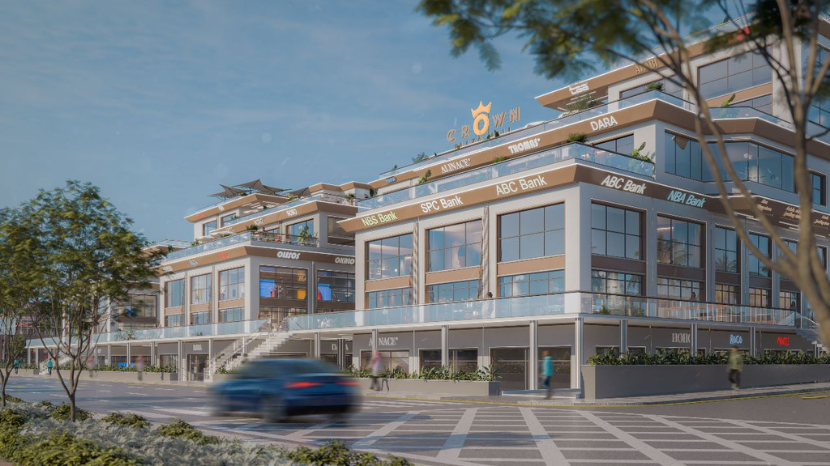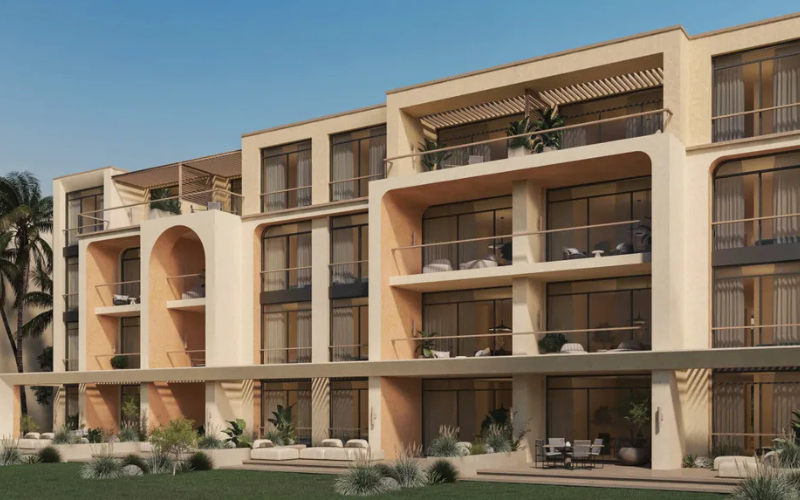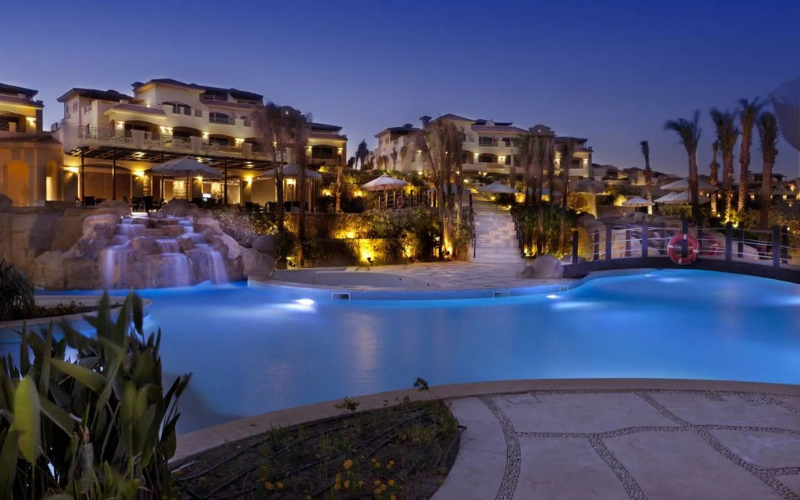

Medical real estate does not depend solely on shopping activity or seasonal demand. It is connected to an essential and continuous need: access to healthcare.
As Egypt’s new cities expand, the population grows, and reliance on private healthcare services increases, medical real estate investment in Egypt has become an opportunity worth serious consideration by investors, doctors, and business owners.
The opportunity is not limited to purchasing a hospital or developing a large medical centre. Investors can begin with a clinic in a medical complex, a suitable unit for a diagnostic laboratory, or a pharmacy location in an active residential area.
However, successful investment is not simply about purchasing any unit marketed as “medical.” It requires choosing a location that serves genuine demand, confirming that the property can be licensed and operated legally, and calculating the return after all expenses.
What Is Medical Real Estate?
Medical real estate includes units and buildings intended for healthcare, diagnostic, treatment, pharmaceutical, and rehabilitation services.
These properties differ from conventional commercial properties because they usually require specialised technical installations, operating conditions, and licences that match the intended medical activity.
The main types of medical properties include:
- Individual medical clinics covering different specialties
- Specialist medical centres with several doctors or departments
- Integrated outpatient clinic complexes within one building
- Medical laboratories, radiology centres, and diagnostic facilities
- Physiotherapy and rehabilitation centres
- Pharmacies in residential or commercial locations
- Private hospitals, surgical centres, and specialist care facilities
- Dental and aesthetic treatment centres that meet the required medical regulations
An investor may own the property and lease it to a doctor or healthcare operator. Alternatively, the investor may participate in establishing and operating the medical business through an appropriate legal and administrative structure.
Why Is Medical Real Estate Investment in Egypt Promising?
Growth of the Private Healthcare Sector
The private sector plays an important role in Egypt’s healthcare system, particularly in outpatient clinics, diagnostic testing, specialist treatments, and services where patients are seeking faster appointments or a specific level of care.
The World Health Organization has highlighted the continued significance of out-of-pocket healthcare spending in Egypt. This reflects the reliance of a large segment of the population on directly paying for healthcare services, including those provided by the private sector.
Egypt’s official Investment Map also identifies healthcare as one of the country’s target sectors for attracting investment. Opportunities include developing healthcare facilities and establishing and operating new hospitals and medical centres.
Growing Demand in New Cities
Every new residential community needs nearby clinics, pharmacies, laboratories, radiology centres, and treatment services.
However, healthcare facilities do not always develop at the same pace as residential properties. This creates opportunities for investors who enter a growing area at an early stage.
Before investing, confirm that the area has:
- A sufficient number of permanent residents
- Residential developments currently being delivered
- A clear shortage of specific medical specialties
- Easy access for patients from surrounding areas
- Purchasing power that matches the expected level of service
Buying a clinic in a new development does not automatically generate returns simply because the area has a strong investment reputation.
The most important factors are the actual residential occupancy rate and genuine demand for healthcare services.
Limited Availability of Properties Suitable for Medical Use
An area may contain many administrative and commercial units, while only a limited number are suitable for operating a clinic or medical centre.
Medical properties often require:
- Suitable entrances
- Elevators capable of serving patients
- Adequate parking
- Proper ventilation
- Accessible toilets
- Reliable utility connections
- The ability to comply with safety and infection-control requirements
A fitted and licensable unit is therefore more likely to attract a serious healthcare tenant than a property requiring extensive modifications before it can operate.
Types of Medical Investment Properties in Egypt
Individual Clinics in Medical Complexes
Medical clinics can be suitable for small and medium-sized investors, particularly when located within operational medical complexes or in areas with high residential density.
Their main advantages include:
- A relatively lower purchase cost than medical centres or hospitals
- Easier resale to doctors and property investors
- The option to lease the clinic to a doctor or clinic management company
- Limited daily management requirements when the unit is leased without operating the medical business
When searching for medical clinics for sale in Egypt, do not compare properties based only on the price per square metre.
You should also assess:
- Maintenance fees
- The operating quality of the building
- The number of clinics already open
- The medical specialty policy within the development
- Patient traffic
- Building management standards
Diagnostic Centres and Medical Laboratories
Radiology centres and medical laboratories require more complex spaces, technical installations, and electrical capacity than conventional clinics.
However, these properties may secure longer lease agreements because relocating medical equipment and fitting out a new location can be expensive and time-consuming.
A serious operator is therefore more likely to remain in a suitable location when the building meets all technical and licensing requirements.
Before purchasing, investors should confirm:
- The building’s structural capacity to support the required equipment
- The availability of sufficient electrical power
- Whether specialised insulation can be installed
- Whether radiation protection or other activity-specific safety measures can be implemented
- Whether the intended activity is legally permitted within the property
Pharmacies in Strategic Locations
The success of a pharmacy depends on several factors, including:
- Residential density
- Ease of access
- Storefront visibility
- Proximity to clinics and hospitals
- Pedestrian and vehicle traffic
- Availability of parking or short-term stopping areas
A pharmacy is not simply a conventional commercial shop that can begin operating immediately.
Pharmacies in Egypt are subject to specific licensing rules and operating requirements. The licensing process may involve reviewing the ownership status, permitted use, utilities, lease or ownership contract, and other supporting documents.
Investors should not purchase a property for pharmacy use before consulting the Egyptian Drug Authority, the relevant local authorities, and a specialist lawyer.
Hospitals and Integrated Medical Centres
Hospitals and fully integrated medical centres are more suitable for large investors, investment funds, healthcare companies, and professional hospital operators.
A feasibility study for this type of project should assess:
- Local demand for hospital beds and healthcare services
- Medical specialties that are unavailable in the area
- Medical equipment and fit-out costs
- Recruitment of doctors and healthcare professionals
- Licensing and accreditation requirements
- Working capital
- Marketing plans
- Agreements with health insurance companies
Purchasing and fitting out a building before leasing it to an experienced healthcare operator may carry less risk than directly managing the hospital.
This model can be particularly suitable for investors who have real estate experience but limited operational experience in healthcare.
Best Locations for Medical Real Estate Investment in Egypt
New Cairo
New Cairo has a large residential population with relatively strong purchasing power. It also includes universities, schools, commercial developments, and expanding residential communities.
The area can be suitable for:
- Specialist clinics
- Dental centres
- Aesthetic treatment centres
- Physiotherapy facilities
- Medical laboratories
- Radiology and diagnostic centres
Competition is high in some parts of New Cairo. Investors should therefore analyse the existing medical specialties before purchasing an investment clinic.
A location may have many clinics but still lack specific services. Identifying these gaps can be more valuable than simply choosing the busiest medical building.
Sheikh Zayed City and 6th of October City
Sheikh Zayed City and 6th of October City benefit from continued residential expansion, new developments, and large urban extensions.
The strongest opportunities are often found near:
- Major roads and transportation routes
- Service-oriented shopping centres
- Existing hospitals
- Large residential communities
- Education and business districts
Medical centres in these areas may serve residents from several surrounding communities rather than depending on a single residential project.
Nasr City
Nasr City has a high population density, strong daily traffic, and convenient access from several areas of eastern Cairo.
It may be suitable for:
- Medical clinics
- Radiology centres
- Medical laboratories
- Medical centres for rent
- Specialist outpatient facilities
Streets already known for healthcare services may provide established patient traffic.
However, parking availability and easy access for elderly patients and people with limited mobility are critical factors.
The New Administrative Capital
The New Administrative Capital offers a long-term investment opportunity linked to growing occupancy, the movement of residents and employees, and the opening of new residential and commercial developments.
However, a purchase decision should be based on:
- The actual opening date of the medical development
- The number of units sold or occupied
- The building management plan
- The marketing strategy
- Expected residential and business occupancy
- A realistic operating schedule
Investors should not rely solely on future projections.
A project located near active residential or government districts is generally preferable, particularly when it has a clear plan for operating the clinics and managing the building’s facilities.
The North Coast
Egypt’s North Coast represents a seasonal healthcare market where demand rises during the summer.
Services in high demand may include:
- Emergency treatment
- Dental care
- Paediatric services
- Medical testing
- Pharmacies
- General medical consultations
Medical property investment may succeed within a large residential community or a destination that operates for an extended period of the year.
However, relying on a short summer season may result in a weak annual return, even when demand is high during specific months.
Advantages of Medical Properties Compared with Commercial Properties
More Stable Demand for Healthcare Services
Some commercial activities are heavily affected by changing trends, lower consumer spending, or declining sales.
The need for diagnosis, treatment, rehabilitation, and medication remains more consistent.
This does not mean that every medical clinic will succeed. However, demand for healthcare services is generally less dependent on consumer seasons than many conventional commercial activities.
Lower Tenant Turnover
Doctors and healthcare operators often invest substantial amounts in:
- Medical fit-outs
- Equipment
- Signage and branding
- Licensing
- Building a local patient base
- Technical and safety requirements
Relocating can therefore be more difficult and expensive than moving a standard office or small retail shop.
This may support longer lease agreements, provided that the property remains suitable and the relationship between the landlord and tenant is stable.
Potential for Capital Appreciation
A medical unit may increase in value when the building becomes a recognised healthcare destination and attracts more doctors, clinics, and complementary services.
A clinic may also benefit from:
- The reputation of the medical complex
- Increasing patient traffic
- A strong mix of specialties
- Professional building management
- Established healthcare operators
These factors may support both rental income and future resale value.
Factors to Consider When Choosing a Medical Property
Before comparing medical clinic prices in Egypt, assess each unit based on the following factors.
Location
The property should be close to residential communities, hospitals, commercial districts, or major roads.
Accessibility
Confirm that the building has suitable entrances and elevators for elderly patients, people with disabilities, and patients with limited mobility.
Parking
Convenient parking is important for patients, doctors, employees, and visitors.
Permitted Use
Verify that the property can legally be used for the intended medical activity.
Fit-Out Potential
The property should be capable of meeting healthcare, safety, hygiene, and infection-control requirements.
Size and Layout
A suitable clinic may need:
- A reception area
- Consultation or examination rooms
- Patient waiting areas
- Toilets
- Storage
- Staff or service areas
The required layout depends on the medical specialty.
Building Management
Assess the quality of:
- Cleaning
- Security
- Maintenance
- Elevator operation
- Waste management
- Common-area management
Existing Medical Specialties
A balanced range of complementary healthcare services may be beneficial.
However, a development containing too many clinics in the same specialty may create excessive competition.
Maintenance Fees
Maintenance and service charges directly affect the property’s net return.
Project Readiness
There is a significant difference between purchasing a clinic in an operational building and buying a unit in a development that has not yet opened.
An operational project provides clearer evidence of actual patient demand, occupancy, and rental potential.
How to Calculate Medical Property ROI
The net rental yield can be calculated using the following formula:
Annual net income ÷ Total investment cost × 100
The total investment cost may include:
- Property purchase price
- Registration and contract fees
- Medical fit-out costs
- Air-conditioning systems
- Utilities and fixed installations
- Maintenance fees
- Marketing commissions
- Financing costs when purchasing through instalments or a loan
For example, assume that the total cost of purchasing and fitting out a medical unit is EGP 5 million.
If the property generates annual net income of EGP 500,000, the approximate net return would be:
EGP 500,000 ÷ EGP 5 million × 100 = 10% per year
This is a simplified calculation and should not be treated as a guaranteed market average.
Vacancy periods, maintenance costs, taxes, insurance, and other expenses must be included before making an investment decision.
Tips Before Investing in Medical Real Estate
Analyse Healthcare Demand in the Area
Assess the number of existing clinics, available specialties, and healthcare services that are currently missing.
Do not rely on population size alone.
A highly populated area may already have strong medical coverage, while a smaller but rapidly growing community may have significant unmet demand.
Check Licensing Requirements Before Purchasing
Licensing a clinic or medical centre may require documents related to:
- Property ownership or tenancy
- Technical fit-out
- Healthcare professionals
- Medical waste management
- Safety requirements
- The intended medical activity
Applications are handled through the relevant health authorities and the Free Treatment Administration.
Licensing eligibility should be confirmed before signing a final purchase agreement.
Select the Right Investment Model
Decide whether you intend to:
- Purchase an already leased medical unit
- Buy and fit out a unit before leasing it
- Purchase an unfinished clinic
- Participate in operating the medical business
- Lease the property to a specialist healthcare operator
Each model has different risks, capital requirements, and management responsibilities.
Choose the Operator Carefully
A financially stable tenant or recognised healthcare brand may be more valuable than achieving the highest possible rent during the first year.
Assess the operator’s:
- Experience
- Financial position
- Reputation
- Licensing status
- Proposed activity
- Expected fit-out
- Ability to meet long-term lease obligations
Review the Lease Agreement
The lease should clearly define responsibility for:
- Fit-out costs
- Medical and operating licences
- Maintenance
- Medical equipment
- Insurance
- Structural modifications
- Utility consumption
- Medical waste
- Reinstating or returning the unit at the end of the lease
Do Not Depend Solely on Resale Value
The strongest medical property is one that can be legally operated and leased.
An investment should not depend entirely on the expectation that the property’s price will rise in the future.
The Future of Medical Real Estate in Egypt
The growth of Egypt’s medical real estate market is connected to three main trends:
- Urban expansion
- Rising demand for private healthcare
- The development of healthcare and medical tourism projects
Egypt is working to strengthen investment in health tourism and develop an integrated system for receiving international patients.
This may include specialised destinations, healthcare developments, and digital services intended to simplify patient procedures.
These developments could support demand for hospitals, specialist centres, and nearby medical properties.
New cities will also require an integrated network of clinics, laboratories, diagnostic centres, rehabilitation facilities, and pharmacies rather than depending on one central hospital.
The strongest opportunities are expected to be found in medical properties that combine:
- A strategic location
- Suitable technical specifications
- Professional building management
- Licensing eligibility
- Genuine operating potential
- Strong local healthcare demand
Conclusion
Successful medical real estate investment in Egypt depends on understanding the needs of patients and healthcare operators before focusing on the price per square metre.
A clinic close to residential communities, located inside a professionally managed building, and eligible for licensing is generally more attractive than a low-priced unit in a development that is not operational.
Begin by studying the area and identifying the target specialty or healthcare activity.
Review the legal documents and technical requirements, and calculate the long-term net return. Do not base your decision solely on marketing promises.
Browse available medical properties or consult a specialist commercial real estate adviser to compare developments and choose the opportunity that best matches your capital and investment objectives.
Frequently Asked Questions
How much does a medical clinic cost per square metre in Egypt?
There is no single average price for medical clinics in Egypt.
Prices vary according to:
- City and location
- Development quality
- Construction stage
- Finishing level
- Building management
- Available facilities
- Operating status
Investors should compare similar units within the same area and add fit-out costs and maintenance fees to the purchase price.
Where are the best areas to buy an investment clinic in Egypt?
Promising areas include:
- New Cairo
- Sheikh Zayed City
- 6th of October City
- Nasr City
- The New Administrative Capital
However, the best location is one that combines genuine residential density, unmet demand for healthcare services, and convenient patient access.
Is medical real estate better than commercial real estate?
Medical properties may offer more stable demand and longer lease agreements, but they usually require more specialised fit-outs, technical conditions, and licences.
Conventional commercial properties may be easier to operate, but their performance can be more affected by changing business activities, retail trends, and consumer spending.
The better option depends on the investor’s capital, experience, risk tolerance, and investment strategy.
What licences are required to operate a clinic or medical centre in Egypt?
Requirements vary according to the medical activity.
Documents and approvals may include:
- Ownership or lease contract
- Engineering drawings
- Information about equipment
- Details of healthcare professionals
- Facility registration
- Medical waste arrangements
- Fire and safety compliance
- Activity-specific approvals
Investors should consult the Free Treatment Administration and the relevant health and local authorities before purchasing or fitting out the property.
What return can investors expect from renting out medical clinics?
There is no fixed return.
The net rental yield should be calculated by dividing annual net rental income, after expenses and vacancy periods, by the total purchase and fit-out cost.
The final return is influenced by:
- Location
- Tenant quality
- Lease duration
- Occupancy
- Maintenance costs
- Licensing status
- Building management
Can non-doctors invest in medical real estate in Egypt?
A non-doctor may generally purchase or finance a medical property and lease it to a licensed healthcare operator.
However, operating the facility and practising a medical activity are subject to professional and licensing regulations.
Some activities may require ownership, management, or professional supervision by a licensed specialist. Pharmacies are one example where specific professional and regulatory requirements may apply.
What is the difference between a ready clinic and a unit in an off-plan development?
A ready clinic can usually be leased or operated more quickly. It also provides clearer information about actual patient demand, occupancy rates, building management, and rental performance.
A unit in an off-plan or under-construction development may offer a lower price or more flexible payment plan.
However, it also carries risks related to:
- Construction delays
- Delayed operation
- Weak building occupancy
- Uncertain future demand
- Changes to the management or operating plan