

Why Has Egypt Become an Attractive Destination for Foreign Residents?
Egypt has become one of the most attractive regional destinations for foreigners looking to reside, invest, study, retire, or run a business from within a geographically and culturally stable country — with a cost of living that remains lower than many surrounding nations. Egypt is no longer just a tourist destination; it has become a broad market for long-term residency, especially with the expansion of new cities such as New Cairo, the New Administrative Capital, Sheikh Zayed, 6th of October, New Alamein, Hurghada, El Gouna, Sharm El-Sheikh, and the North Coast.
The importance of legal residency in Egypt is growing because it grants foreigners a more stable standing in daily dealings — such as opening bank accounts, signing rental contracts, studying, working, investing, owning property under legal regulations, and engaging with government and private entities more clearly and securely.
It is important to distinguish between an entry visa and a residence permit. A visa allows entry into Egypt and a stay for a relatively short specified period, while a residence permit is the legal status that allows a foreigner to remain in the country for a longer period based on a clear reason such as study, work, investment, marriage, property ownership, or other grounds. The Egyptian Presidency clarifies that the Egyptian e-visa is an official document that allows entry and travel within Egypt, applied for electronically before travel, and it is recommended to submit the application at least seven business days before departure.
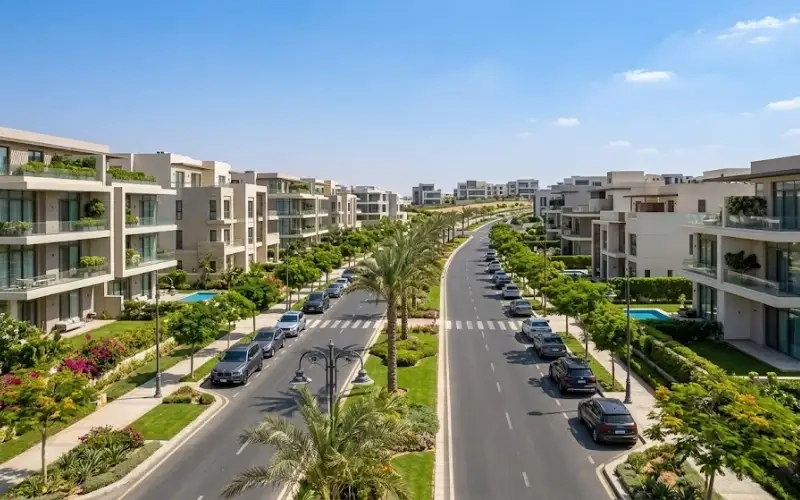
First: Key Benefits of Legal Residency in Egypt for Foreigners
Legal residency in Egypt does not only mean avoiding violations or fines — it grants foreigners a set of practical advantages that ease daily life and enable them to settle and operate confidently within the Egyptian market.
Foreign investors’ interest in the Egyptian real estate market is not limited to purchasing a property for personal use. Today, real estate investment in Egypt for foreigners has become an attractive option for those seeking long-term investment opportunities, benefiting from the diversity of residential, commercial, and coastal projects available across Egypt’s growing real estate market.
1. Legal Stability and Freedom of Movement Within the Country
When a foreigner is legally resident in Egypt, their presence in the country is backed by a clear official status. This helps with travelling to and from Egypt, renewing residency, and submitting documents to schools, universities, banks, or employers. A valid residence permit also reduces complications related to overstaying a visa or needing to regularize legal status at a later stage.
The Egyptian Ministry of Interior provides a dedicated electronic platform for booking residency services for foreigners, reflecting the state's direction toward organizing and simplifying residency procedures through official digital services.
2. Ease of Housing and Signing Rental Contracts
A legally resident foreigner has a better ability to sign long-term rental contracts, whether for personal accommodation, family use, or company employees. Many landlords and real estate companies require clear legal data when dealing with a foreign tenant — such as a passport, visa or residence permit, and contact details. The more organized the legal status, the easier it becomes to secure a suitable unit in upscale areas such as New Cairo, Maadi, Zamalek, Sheikh Zayed, El Gouna, or the New Administrative Capital.
3. Better Educational Opportunities for Children and Students
Egypt is an important educational hub for Arab, African, and Asian students, at both school and university level. Egypt hosts international and private schools as well as public, private, community, and international universities. The Ministry of Higher Education has dedicated a platform and initiative called "Study in Egypt" for incoming students, and the Ministry regularly publishes guidelines for students holding equivalent Arab or foreign certificates to apply to Egyptian universities and institutes.
Foreign students residing in Egypt benefit from diverse educational options — ranging from international schools offering British, American, French, German, and Canadian curricula, to universities offering English-language programs in medicine, engineering, business administration, dentistry, pharmacy, computer science, and more.
4. Access to Extensive Healthcare Services
Egypt features a large network of government, university, and private hospitals and medical centers, in addition to international hospitals and specialized centers in Greater Cairo, Alexandria, the Red Sea, and South Sinai. Private medical services in Egypt are generally less expensive than their counterparts in Europe or the Gulf, with experienced physicians across many specializations.
The state is also developing the Universal Health Insurance system — a national project aimed at reforming healthcare and providing quality medical services covering all conditions, applied in phases across governorates. For foreigners, the level of access to insurance systems varies depending on residency type, employer, and specific arrangements, so many foreign residents rely on private medical insurance, especially in cases of family, retirement, or freelance residency.
5. Diverse Living Environment and Reasonable Cost of Living
One of Egypt's most important advantages for foreigners is that it offers multiple living standards. There is a luxury lifestyle in Fifth Settlement, the New Administrative Capital, Sheikh Zayed, Zamalek, Maadi, El Gouna, and the North Coast — while more affordable options exist in other areas. This diversity makes Egypt suitable for students, employees, investors, retirees, and entrepreneurs.
Egypt also stands out for its abundance of daily services: restaurants, cafes, shopping malls, sports clubs, schools, universities, hospitals, delivery services, and entertainment zones. Many foreigners find that Cairo and the coastal cities offer a lifestyle that combines history, culture, and modern amenities.
6. Wide Investment and Real Estate Opportunities
Real estate investment is one of the main reasons foreigners choose to reside in Egypt. The Egyptian real estate market offers great diversity across residential, commercial, administrative, medical, hotel, and coastal segments. New cities have created opportunities for ownership, rental, or long-term investment — particularly in New Cairo, the New Administrative Capital, Sheikh Zayed, New Alamein, Ras El Hikma, Hurghada, El Gouna, and Sharm El-Sheikh.
Under Egyptian investment law, the state grants non-Egyptian investors residency in Egypt for the duration of the investment project, in accordance with applicable regulations. The General Authority for Investment has clarified that a serious investor may obtain a five-year renewable residency for similar periods throughout the project's duration, subject to applicable rules.
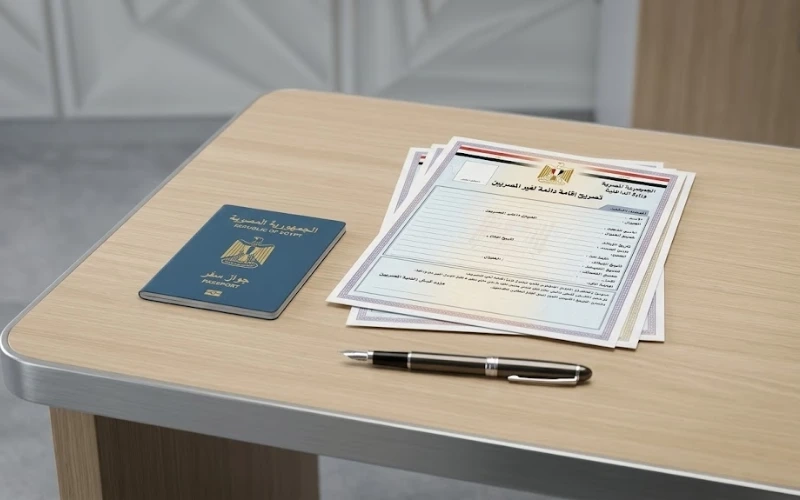
Second: Types of Residency in Egypt for Foreigners
Residency types in Egypt differ based on the reason for being in the country. Details and requirements may vary over time, but the core types that cover most residents include the following:
1. Tourist or Temporary Residency
This type suits foreigners who entered Egypt for tourism, short-term stays, or exploration before making a longer-term decision. It typically starts with an entry visa, after which an extension or temporary residency may be applied for through the relevant authorities, depending on the applicant's nationality, reason for stay, and submitted documents.
2. Work Residency
This applies to foreigners employed by a company or institution in Egypt. In this case, work procedures and employer-linked permits are usually required, and may include documents such as an employment contract, approvals from the relevant authority, the company's commercial register and tax card, and professional certificates or documents depending on the nature of the position.
3. Investor Residency
Investor residency suits a foreigner who establishes a company, participates in an investment project, or injects capital into an economic activity in Egypt. It is one of the most important long-term residency types as it is tied to a clear economic contribution. Regulations indicate that investor residency at project launch may begin with a one-year renewable permit if serious implementation is demonstrated, and may extend for longer periods based on project evaluation and applicable rules.
4. Residency Based on Property Ownership
Owning property in Egypt may be one of the grounds for a foreigner to apply for residency, particularly when purchasing a qualifying residential unit or property under legal regulations. It is important here to distinguish between the foreigner's right to own property and the residency conditions themselves. The law on non-Egyptian property ownership sets important controls, including that ownership must be for personal residential purposes, within certain limits, and in legally permitted areas. Legal materials published on official investment platforms indicate that a non-Egyptian may own up to two properties across the country for their own and their family's private residential use, subject to applicable restrictions, area limits, and legal requirements.
Several recent legal sources indicate that residency linked to real estate investment may be tied to different investment values — such as one, three, or five years depending on the property or investment value — but the latest official decisions at the time of application must be verified, as this type of residency is subject to administrative and regulatory updates.
5. Student Residency
Granted to foreign students admitted to a recognized school, university, or institute in Egypt. The student typically needs an acceptance letter, a valid passport, personal photos, authenticated academic documents, and proof of accommodation or guardian details if a minor. Egypt is among the top countries receiving incoming students in the region, due to the diversity of universities, specializations, and the relatively lower cost of study and living compared to other countries.
6. Family Residency or Residency Through Marriage
A foreigner may obtain residency based on a family tie — such as being married to an Egyptian citizen, having Egyptian children, or accompanying a legally resident family member. Required documents vary by situation and may include a notarized marriage contract, birth certificates, passports, and proof of the family relationship.
7. Retirement or Long-Term Residency for Special Reasons
Some foreigners — particularly older individuals or those with stable income from abroad — prefer to reside in Egypt for retirement or long-term living in coastal cities or quiet areas. These cases generally require proof of income, a deposit, property ownership, or a clear reason for residency, as accepted by the relevant authorities.
With the strong connection between property ownership, residency, and long-term investment opportunities, some foreign investors are also exploring additional options to strengthen their relationship with Egypt. One of these options is learning more about Egyptian citizenship for foreigners and the legal requirements related to obtaining citizenship through investment programs.
Third: Basic Legal Procedures for Obtaining Residency in Egypt
Despite the differences in detailed procedures by residency type, the general steps typically revolve around the following:
1. Entering Egypt With a Valid Visa or Legal Status
A foreigner must begin their entry into Egypt through legal means — whether through a prior visa, an e-visa, or a visa on arrival if their nationality permits. The Egyptian Presidency clarifies that the e-visa is obtained through registration, filling in details, electronic payment, and then receiving a response within approximately seven business days.
2. Preparing Essential Documents
Documents vary by residency type, but generally include:
- A valid passport with adequate remaining validity
- Personal photos
- Proof of residential address in Egypt — rental contract or ownership documents
- Proof of residency reason: employment letter, university acceptance, investment document, or marriage contract
- Official receipts or forms
- Additional documents required by the relevant authority
3. Applying to the Relevant Authority
Residency procedures are typically processed through the Passport, Immigration and Nationality Authority or its relevant offices, with electronic services or advance booking available for some procedures via official platforms. It is important to keep appointments and submit clear, translated, or notarized documents when required.
4. Paying Fees and Receiving the Residency Card
After reviewing the file, the required fees are paid and any missing items completed, after which the residence permit or residency card is issued for a specified period based on the type of case. It is essential to note the residency expiry date and renew it before the deadline to avoid fines or complications.
Fourth: Education in Egypt for Foreigners
Egypt offers foreigners wide educational options. At the school level, there are many international schools in New Cairo, Maadi, Sheikh Zayed, 6th of October, Alexandria, Hurghada, and Sharm El-Sheikh. These schools offer various curricula suited to foreign and Arab communities — such as the British, American, Canadian, French, German, and International Baccalaureate systems.
At the university level, Egypt has become an important destination for incoming students — particularly in medicine, dentistry, pharmacy, engineering, business administration, media, and computer science. The state supports this direction through official platforms for non-Egyptian student applications and the publication of guidelines for students holding equivalent Arab or foreign certificates.
Practically speaking, legal residency for the student or guardian simplifies enrollment procedures, accommodation, file opening, dealings with the university or school, and private medical insurance arrangements.
Fifth: Healthcare for Foreigners in Egypt
Egypt has a broad medical sector encompassing government, university, and private hospitals. The private sector is characterized by speed of service, a wide range of specializations, and the spread of major hospitals across Cairo, Alexandria, and coastal cities. The Universal Health Insurance system is also gradually developing — targeting healthcare reform and quality medical services for all segments of society without discrimination, applied in phases across governorates.
For foreigners, private medical insurance is always advisable — especially for families, the elderly, or those with chronic conditions. Companies employing foreigners may also provide private medical coverage as part of the employment package.
Before making any property purchase decision in Egypt, foreign investors should understand the legal framework regulating ownership rights. The Foreign Ownership Law in Egypt defines the main conditions, restrictions, and procedures governing property ownership by non-Egyptians, ensuring a clear and secure investment process.
Sixth: Taxes for Foreign Residents in Egypt
The tax system is an important point that foreigners must understand before working or investing in Egypt. The basic rule is that tax liability depends on the source of income, tax residency status, and the nature of the activity. Resident individuals are taxed on net income earned in Egypt, as well as income earned abroad if the center of commercial, industrial, or professional activity is in Egypt. Non-residents are taxed only on income generated from sources within Egypt.
Therefore, if a foreigner works in Egypt, earns income from property rental, manages a business, or provides services within Egypt, consulting an accountant or tax advisor to accurately determine obligations is essential.
Seventh: Real Estate Investment as a Gateway to Residency and Stability
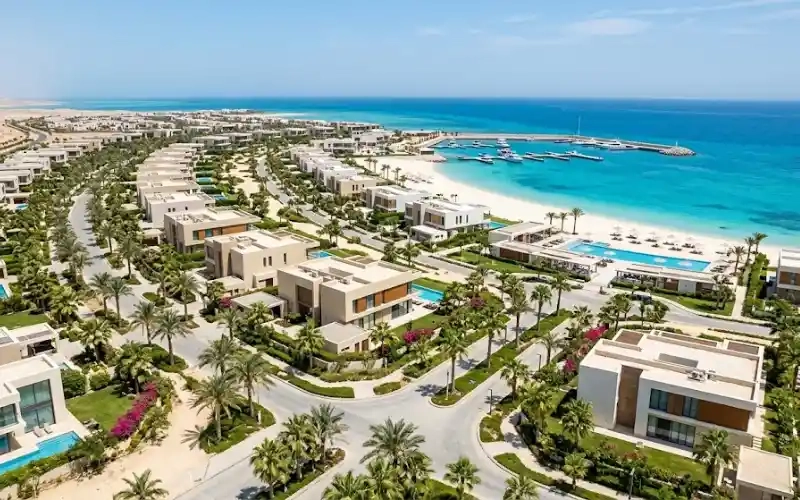
Real estate is one of the most effective tools for foreigners to build a long-term connection with Egypt. Buying a residential unit in a strong area not only provides a place to live, but may represent a growth-ready investment — particularly in new cities and promising coastal areas. However, property purchase must be preceded by thorough legal due diligence covering ownership, permits, registration, land status, sale restrictions, and contract terms.
Foreigners should not rely on marketing promises about residency in exchange for buying property. It is essential to verify that the property is legally eligible, that documents are valid for submission, and that the investment value and ownership type align with the latest rules in force at the relevant authorities.
Eighth: Important Tips Before Applying for Residency in Egypt
- Do not wait until your visa or residency expires — start the renewal process early.
- Keep paper and digital copies of your passport, visa, residency permit, housing contract, and payment receipts.
- Do not rely on unverified information from social media, as residency rules differ by nationality and individual situation.
- If your residency is linked to work, investment, or property, seek assistance from a specialized lawyer or consultant.
- When buying property, do not sign or pay large amounts before reviewing the legal documents and confirming the property's eligibility for ownership or residency.
Choosing the right location is one of the most important factors for foreign residents and investors in Egypt. Many foreigners prefer areas that offer modern infrastructure, international services, and convenient access to essential facilities. Therefore, exploring the best areas for foreigners to live in Egypt can help investors and residents select the ideal location for living or property investment.
Conclusion: Egypt Offers a Real Opportunity for Residency and Investment — With Proper Legal Organization
Residency in Egypt offers foreigners a distinctive combination of stability, diverse housing, educational opportunities, healthcare, real estate investment, and a reasonable cost of living. But realizing these benefits begins at a single point: organized legal residency.
A foreigner who enters Egypt correctly, chooses the right residency type, prepares their documents, and deals with property, work, or study through clear legal channels can build a stable and productive life in Egypt. With the expansion of new cities and the development of infrastructure and services, Egypt is expected to continue attracting more foreigners seeking residency, investment, education, or a balanced lifestyle at the heart of the region.
Frequently Asked Questions About Residency in Egypt for Foreigners
Can a Foreigner Reside in Egypt for a Long Period?
Yes, a foreigner can reside in Egypt for a long period by obtaining a suitable residence permit — such as a work, study, investment, property ownership, or family residency permit — subject to the required conditions and documents.
Does Buying Property in Egypt Automatically Grant Residency?
Buying property may be a basis for applying for residency, but it does not mean automatic approval. Documents must be complete, the application must be submitted to the relevant authority, and the case must comply with the rules in force at the time of application.
Can Foreigners Study at Egyptian Universities?
Yes, Egyptian universities accept foreign students through official procedures and platforms. The "Study in Egypt" initiative and dedicated services for incoming students are available.
Do Foreigners Pay Taxes in Egypt?
A foreigner may be subject to taxes in Egypt if they earn income from an Egyptian source, or if they are a tax resident and meet the applicable conditions. Consulting a tax specialist to accurately determine obligations is essential.
What Is the Best Type of Residency for a Foreigner in Egypt?
It depends on their reason for being in Egypt. A student needs a study residency, an employee needs a work residency, an investor needs an investor residency, a property owner may apply for ownership-linked residency, and someone married to an Egyptian may apply for family residency.