Nasr City Public Free Zone is one of the most important public free zones in Egypt. Its importance does not come only from being one of the country’s long-established free zones, but also from its location inside Greater Cairo, close to decision-making centers, financial institutions, professional services, Cairo International Airport, and the main road network serving East Cairo.
For manufacturers, exporters, software companies, and artificial intelligence startups, Nasr City Public Free Zone offers more than a business address. It provides an operating framework that combines location, incentives, infrastructure, simplified procedures, and access to foreign markets through a clear investment regime supervised by the General Authority for Investment and Free Zones, known as GAFI.
What Is Nasr City Public Free Zone?
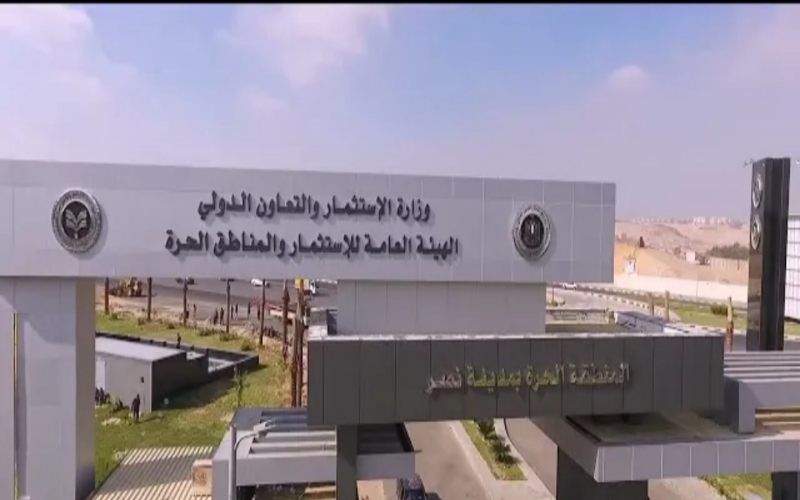
Nasr City Public Free Zone is one of Egypt’s public free zones operating under the Egyptian free zone regime. Free zones in Egypt are governed mainly by Investment Law No. 72 of 2017 and its executive regulations. They are part of the Egyptian territory and remain under the administrative authority of the state, but they enjoy special tax, customs, and financial treatment.
The main purpose of free zones is to support export-oriented activities, international trade, manufacturing, assembly, logistics, and cross-border services. This makes them especially attractive for companies that import machinery, raw materials, components, or technical equipment, then manufacture, assemble, develop, process, or export products or services to foreign markets.
Nasr City Free Zone has an additional advantage: it is located within Cairo. This gives companies access to banks, accounting firms, law firms, shipping companies, customs support services, consultants, government bodies, and a large pool of administrative and technical labor.
Location: Why Nasr City Matters
Location is one of the strongest advantages of Nasr City Public Free Zone. Nasr City connects East Cairo with Heliopolis, New Cairo, the Ring Road, the Suez Road corridor, and central Cairo. This makes the zone suitable for companies that need proximity to management teams, institutional clients, Cairo International Airport, and professional services.
For exporters, proximity to the airport can be highly valuable, especially for high-value shipments, samples, urgent cargo, spare parts, electronics, medical supplies, software hardware, and products that require fast air freight.
For technology companies and software exporters, the location is even more relevant. Cairo provides access to qualified talent, startup ecosystems, investors, universities, business service providers, and digital infrastructure. A software company operating from Nasr City Free Zone can remain close to the city’s business environment while benefiting from the advantages of a free zone regime when its activity is export-oriented.
For manufacturers, the zone is particularly suitable for light and medium manufacturing, assembly, ready-made garments, automotive components, electronics, packaging, and industrial support services that require infrastructure, labor, and administrative accessibility.
Types of Free Zones and Industrial Zones in Egypt
Key Advantages of Nasr City Public Free Zone
The first advantage is the single administrative authority. Instead of dealing with multiple disconnected authorities, investors deal mainly with the free zone administration for approvals, licensing, activity amendments, allocation procedures, and the movement of goods in and out of the project. For foreign companies and institutional investors, this reduces uncertainty and can significantly improve execution speed.
The second advantage is the customs and tax treatment. Licensed free zone projects benefit from important exemptions on capital assets, production requirements, imports, exports, and certain operating inputs, subject to the approved activity and the relevant laws and regulations.
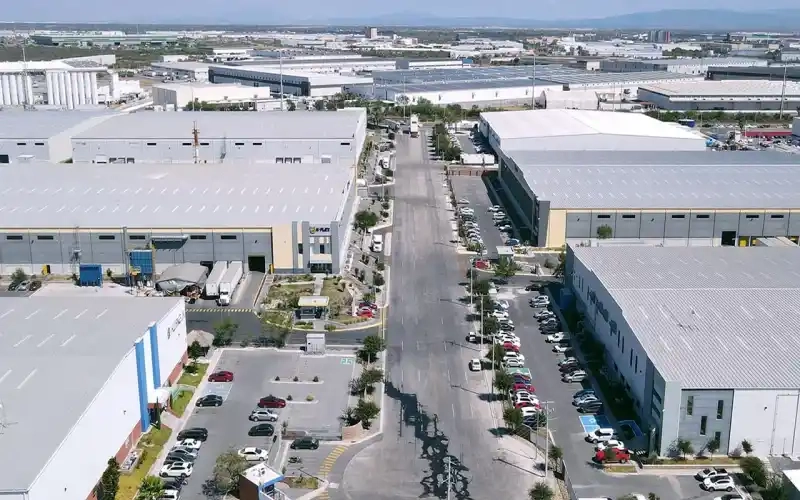
The third advantage is infrastructure readiness. Public free zones in Egypt are generally equipped with roads, electricity, water, sewage, telecommunications, customs units, and security services. This is important because an investor is not simply renting a space; the investor is entering a controlled operating environment designed to support business activity.
The fourth advantage is proximity to professional services. Companies operating in Nasr City can access banks, insurance companies, freight forwarders, law firms, audit firms, tax consultants, marketing agencies, and recruitment services more easily than in remote industrial locations. This support ecosystem can be critical for export businesses and companies dealing with international clients.
The fifth advantage is reputation. Nasr City Public Free Zone has a long history of hosting industrial, commercial, and service projects. This gives it credibility with investors, exporters, banks, and foreign companies evaluating Egypt as a regional operating base.
Major Companies and Sectors in the Zone
There is no fully updated public official directory listing every company currently operating inside Nasr City Public Free Zone. Therefore, any list of companies should be treated as examples of publicly documented names, not as a complete official ranking.
One of the most prominent names associated with the zone is LEONI Wiring Systems Egypt, part of the global LEONI group, which operates in wiring systems, cable harnesses, and energy and data management solutions for the automotive industry. LEONI’s presence reflects the suitability of the zone for specialized manufacturing and export-oriented industrial operations that require trained labor, quality systems, and integrated supply chains.
Another important sector is ready-made garments and textiles. Publicly available corporate information links companies and investment vehicles such as Concrete Fashion Group, GTEX, Swiss Garments, and related entities to Nasr City Public Free Zone. This is significant because garments and textiles remain among the sectors that can benefit strongly from free zone treatment, particularly when raw materials or inputs are imported and finished products are exported.
More recently, Nasr City Public Free Zone has also become relevant for startups, software exporters, and artificial intelligence companies. GAFI has announced the allocation of space inside the zone to host administrative and operational offices for startups working in software exports and AI applications. This development indicates that the zone is no longer limited to traditional industrial operations. It is also becoming part of Egypt’s digital export infrastructure.
The sectors that may find Nasr City Free Zone particularly attractive include automotive components, wiring systems, garments, textiles, light engineering, electronics, packaging, assembly, logistics support, software development, AI applications, technical support, outsourcing, and regional management offices serving foreign markets.
Tax and Customs Exemptions for Exporters and Manufacturers
The tax and customs framework is one of the main reasons companies consider free zones. In general, licensed free zone projects benefit from exemptions on capital assets and production requirements needed to carry out the licensed activity, excluding passenger vehicles. This may include machinery, tools, equipment, production lines, and operating inputs, depending on the nature of the project.
The project’s imports and exports from and to foreign markets also benefit from special customs and tax treatment. For manufacturers and exporters, this can reduce the cost and complexity of importing raw materials, components, and machinery, then exporting finished or semi-finished products.
For manufacturers, the free zone system can improve the efficiency of the production cycle by facilitating the movement of machinery, equipment, production inputs, and exported goods. For exporters, it provides a more structured framework for import-export operations compared with ordinary domestic procedures.
However, free zone treatment should not be misunderstood as the absence of all financial obligations. Egyptian Investment Law provides for specific fees depending on the type of activity. In public free zones, storage projects, manufacturing and assembly projects, and service projects that do not require the movement of goods may be subject to different fees, calculated according to the rules set by law and regulations.
This is particularly important for companies preparing a financial feasibility study. The correct analysis should include rent or usufruct cost, fit-out, utilities, insurance, transportation, payroll, administrative expenses, and applicable free zone fees.
Software and AI Companies: A New Opportunity
Software companies and AI startups represent a new and important direction for free zones in Egypt. A software exporter does not necessarily need a factory or warehouse, but it needs a legal and operational framework that supports export of services, access to foreign clients, foreign currency revenues, and scalable growth.
Nasr City Public Free Zone is well positioned for this type of activity because of its location inside Cairo. It allows technology companies to remain close to talent, investors, support services, and clients, while operating under a regime that may be suitable for export-oriented software and digital services.
For software companies, the activity may be treated differently from traditional manufacturing or trading because it may not involve the physical movement of goods. Therefore, the company must carefully assess the applicable licensing structure, revenue treatment, foreign contracts, invoicing model, and free zone fees before incorporation or relocation.
This makes professional advisory essential. A software exporter should not choose a free zone office based only on rental price. The company must confirm that its activity, revenue model, client geography, and operational structure fit the free zone regime.
How to Choose a Unit Inside Nasr City Public Free Zone
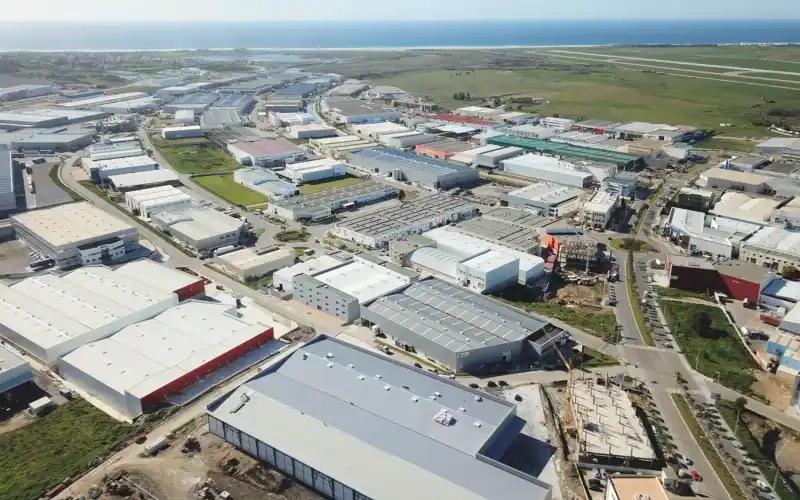
Choosing a unit inside a free zone should begin with the activity, not the price. A company must first define what it needs: an administrative office, an operational office, a warehouse, a light production unit, a software development office, a regional export services center, or a space that can scale over time.
After that, the company should evaluate the unit based on area, technical specifications, finishing condition, power capacity, fire safety systems, access, loading and unloading suitability, proximity to gates, modification potential, neighboring activities, licensing compatibility, and fit-out cost.
The real cost of occupancy is not only the annual rent. It includes preparation time, fit-out, approvals, utilities, services, transportation, security, workforce access, and the opportunity cost of delayed operation.
Nile Estate as a Reference for Free Zone Units in Egypt
Nile Estate plays an important role as a specialized real estate platform for companies searching for units for rent or sale inside free zones, industrial zones, and commercial districts in Egypt.
The value of NileEstate is not limited to displaying property listings. Its real value lies in connecting the property with the procedure. Industrial companies, exporters, and software firms do not need only photos and square meters. They need to know whether the unit is suitable for the activity, whether the location supports export, whether the technical specifications are adequate, what documents are required, and how the offer compares with alternatives in other free zones.
Through practical experience in industrial, administrative, and investment properties, NileEstate can help companies compare available options, arrange inspections, review preliminary information, understand the differences between free zones, and make better-informed decisions before negotiation or procedural engagement.
Conclusion
Nasr City Public Free Zone is not just a business location in Cairo. It is a strategic operating platform for companies that want to combine the advantages of the capital with the benefits of Egypt’s free zone regime.
It is suitable for exporters, manufacturers, assembly companies, garment producers, automotive component manufacturers, software exporters, artificial intelligence companies, and service providers targeting foreign markets.
Its strength comes from a rare combination: central location, infrastructure, simplified procedures, tax and customs advantages, operating history, and proximity to talent and professional services.
However, entry into the zone should always be based on a careful assessment of the activity, license, fees, occupancy cost, expansion potential, and export strategy. The best decision is not necessarily the cheapest unit, but the unit that best supports the company’s business model.
For this reason, companies should work with specialized real estate and operational advisors who understand the free zone environment and can connect the unit, the procedure, the cost, and the investment objective. In this context, Nile Estate realestate can serve as a practical reference for companies searching for rental or sale opportunities inside Egypt’s free zones, especially companies seeking a professional decision based on clear information rather than a traditional property advertisement.